

Autumn Perch Fishing Tips: Why Now's the Time to Target the Sergeant
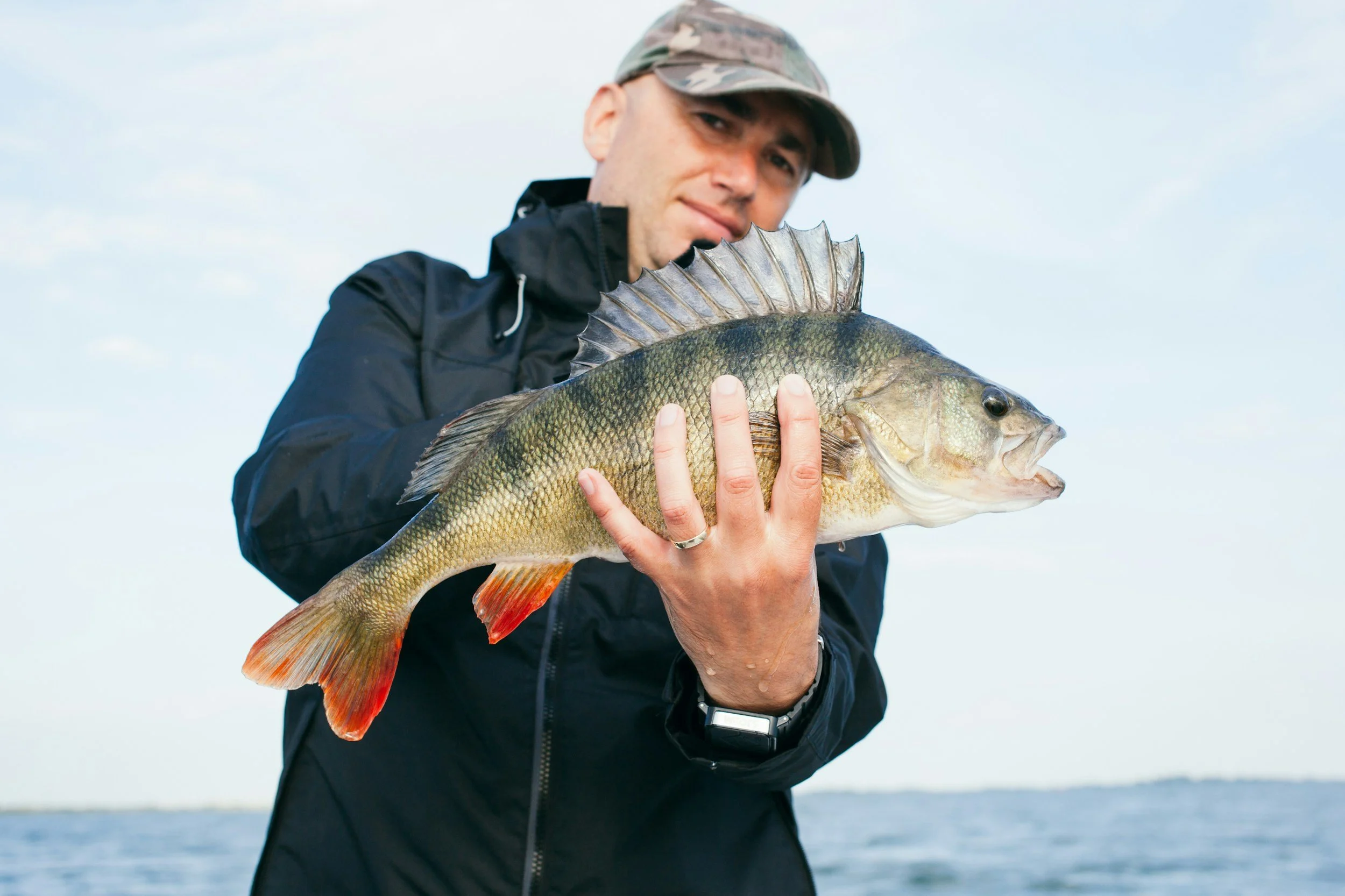
You can probably still picture your first perch: that flash of spiky dorsal fin and tiger stripes coming up through the margins, more exciting than it had any right to be for a fish that size. They're one of the most obliging fish in the UK, which makes them brilliant for beginners. But don't mistake that for easy though. A proper autumn perch session, done well, is as satisfying as anything else on the bank, and right now, with the water cooling and the baitfish shoaling tight, is about as good a time as the calendar gives you for one.
Perch get written off as a starter fish by some anglers, something you grow out of on the way to carp or pike. That undersells them badly. A decent perch on light gear fights pound for pound with anything in UK freshwater, and there's no reason to stop chasing them once you've landed your first mud pig.
Why Autumn Suits Perch So Well
Perch hunt in packs, picking off small fish that haven't quite worked out that shoaling tighter for safety also makes them easier to corner. As summer fades and baitfish bunch together in response to the cooling water, perch follow them in, often into shallow, accessible spots close to the bank. Perch also feed harder through the day in autumn than in high summer, when they can go quiet in the heat. Cooler, oxygen-rich water keeps them active for longer stretches, so more of your session is live fishing rather than waiting it out.
How Big Do Perch Get?
Most perch you catch on a UK lure session weigh somewhere between four ounces and a pound, and there is no shame in that. A pound-plus fish already fights harder than its size suggests. Most anglers start using the word specimen once a perch passes 2lb, and a 3lb fish from most waters is one worth a proper look in the net before it goes back.
The British record has stood at 6lb 3oz since 2011, held jointly by two anglers who landed fish of identical weight that year: Neil Stephen, fishing Stream Valley Lakes near Crowborough in East Sussex, and Ken Brown, fishing Wilstone Reservoir near Tring in Hertfordshire.
The world record goes further. The IGFA all-tackle record for European perch stands at 2.9kg, or 6lb 6oz, caught by Kalle Vaaranen at Kokar in the Åland Islands, Finland, on 4 September 2010.
That British record may be about to move. In September 2026, Joe Atkinson landed a perch weighing 6lb 6oz from Grafham Water in Cambridgeshire, three ounces over the current British best and exactly matching the world record figure above. The reservoir had only opened to lure anglers on 1 September this year, and the fish came on light drop shot tactics with a small soft lure, fished from a boat near one of the reservoir's valve towers after a slow start to the session. The catch has not yet been ratified by the British Record Fish Committee, so the official record stands at 6lb 3oz for now, but Grafham has been producing exceptional perch for many a season, and plenty of anglers expect the record to fall there before long.
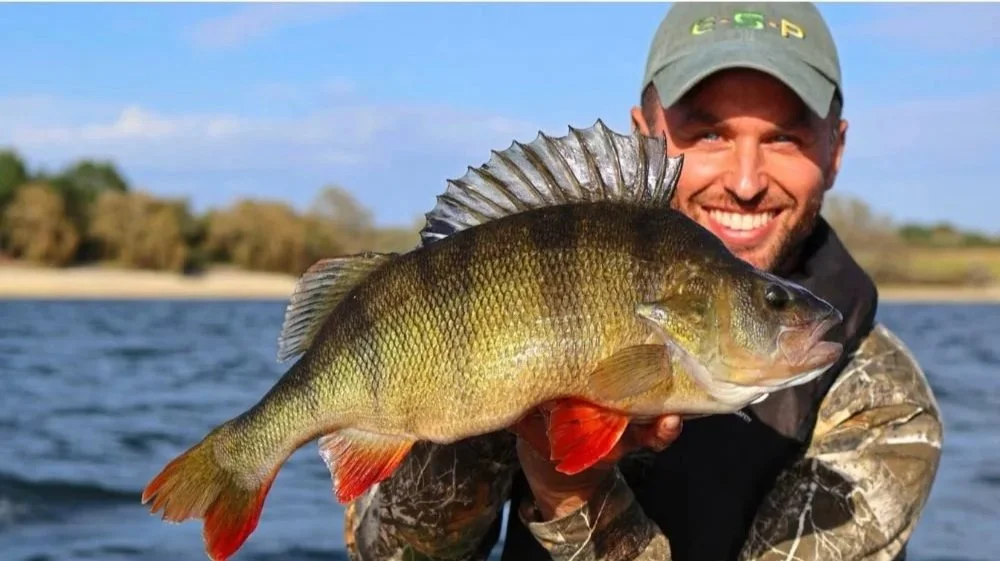
Joe Atkinson
It would not be the first time a bigger perch has gone unclaimed. In October 2020, Matt Atkins caught a 6lb 4oz fish from a southern stillwater he has never named publicly, then chose not to submit it to the committee at all, saying he would hate to see the venue's location get out and the water lose what makes it special.
You do not need a record fish for a session worth remembering, though. Fifteen-year-old Ethan McMordie landed a 5lb 15oz perch from CMCS Holme Grange in Berkshire on nothing more exotic than a small trout spinner, the same style of lure we have recommended. Specimen perch get caught on simple, inexpensive lures far more often than the tackle industry would have you believe.
Renowned UK Waters for Big Perch on Lures
Some waters have built a reputation for big perch, and most of that reputation comes down to small lures fished with a bit of thought rather than any secret method.
Grafham Water in Cambridgeshire belongs at the top of that list right now. The reservoir has been in exceptional form for a long time, it produced the near-record fish mentioned above, and it only reopened to lure anglers on 1 September 2026. The baitfish-rich water around the valve towers and the drop-offs near the dam wall have produced the best fish so far, with light drop shot tactics doing most of the damage once you find where the shoals are holding.
The River Nene around Peterborough regularly gives up perch over 3lb, with fish past 4lb reported in previous seasons. The approach that works there is persistence: work through different lure patterns and stay on the move rather than camping on one swim.
The River Ancholme near Brigg in East Yorkshire holds 3lb-plus fish that sit tight to the same areas roach shoal in. Work a small lure through that water and the perch tend to be close behind.
Woodside Fishery in Shropshire has produced perch over 4lb in recent seasons, with 2lb to 3lb fish a regular occurrence. Drop shotting tight to islands, margins and weedbeds is the method most anglers reach for there, which lines up with the approach in our drop shot guide.
The Great Ouse around Milton Keynes gives up 3lb perch to anglers working small, brightly coloured lures across the river's variety of features, from moored boats to reed margins.
Newham Drain near Boston in Lincolnshire regularly produces fish over 2lb, with reports of catches past 5lb. Small lures worked near weed gaps and cover account for most of the better fish.
None of these are secret venues. Big perch turn up on waters that get fished hard, because the anglers fishing them use small lures with care and keep moving until they find the fish.
Where to Look
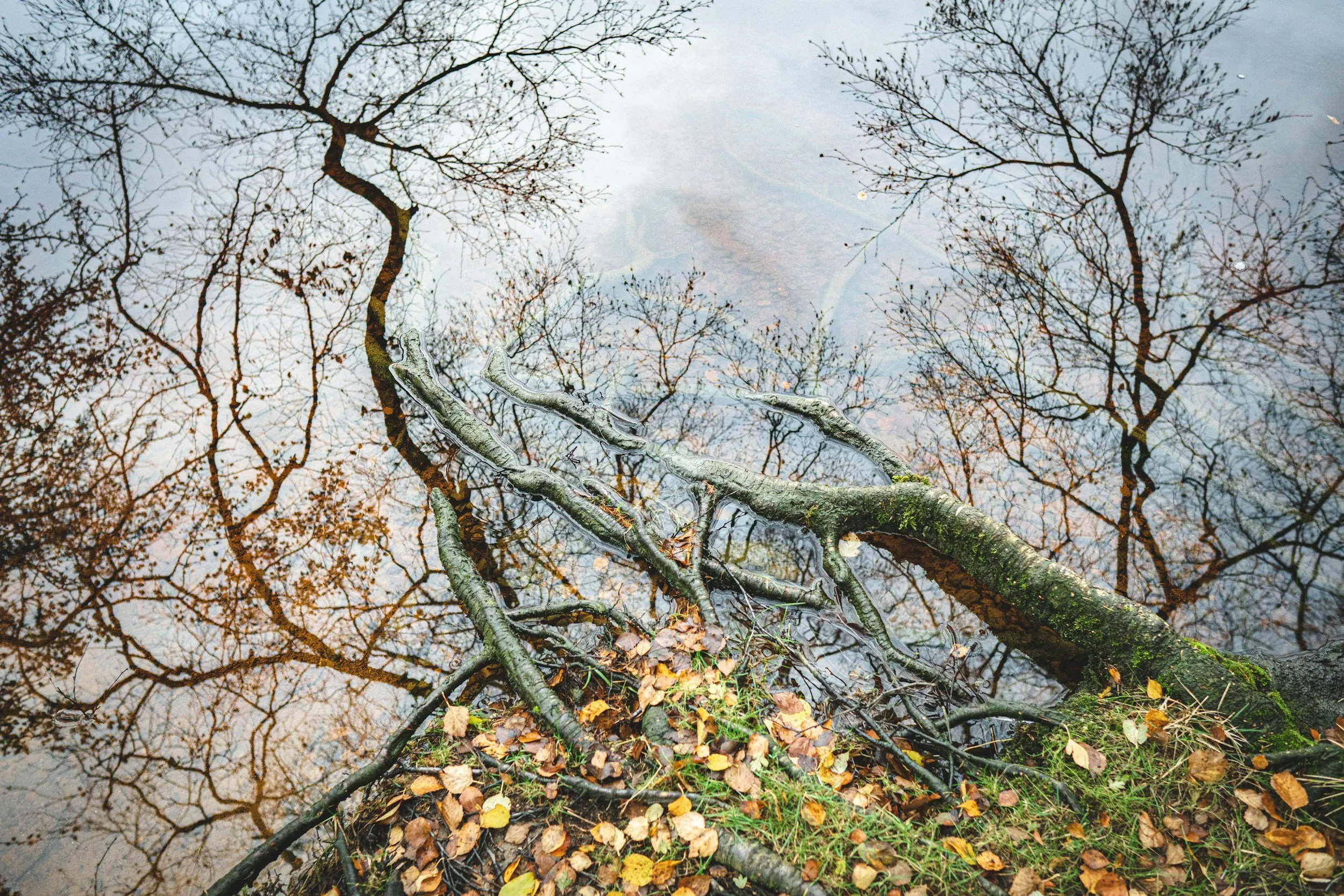
Structure is everything with perch. They're an ambush predator, so target anything that breaks up open water: moored boats, bridge pilings, reed margins, overhanging trees, and any drop-off where a shelf meets deeper water. Marinas and canal junctions fish well through autumn, as do the areas just downstream of weirs and sluices where baitfish gather in the slacker flow. If you catch one perch, stay put for another cast or two. They shoal, so a second and third fish are often sitting right behind the one you've just netted.
Tackle That Keeps It Fun
Perch don't need heavy gear, and they're much more fun on light tackle anyway. You feel every headshake, every switch of direction - it is addictive. A light spinning or LRF setup paired with light braid and a short trace is about as capable as this fishing gets, and our LRF and ultralight range is built around exactly this kind of session, with rods like the Mikado Sensual N.G ultra light spin rod giving you the sensitivity to feel a perch mouth the lure before it takes. For lure choice, small soft plastics on a light jig head are hard to beat for searching out structure, and a drop shot rig comes into its own when perch are sitting tight to a feature rather than roaming. If you haven't tried it, our beginner's guide to drop shot fishing walks through the rig and retrieve step by step.
The Kit We'd Put in Your Bag
For the rod, I fish the Mikado Sensual N.G ultra light spin LRF rod myself, 208cm and rated 2-12g. It's light enough to feel a perch mouthing a jig head, but it has the backbone to cast a soft plastic on a windy day and deal with the odd pike or zander that grabs your lure uninvited. If you want to go lighter still, purely for perch and finesse lure work, the Mikado Bixlite 0.5-3g ultralight rod bends into a half-pound fish and makes it feel twice the size. Both sit at £33.99.

Mikado Sensual 2-10g - £33.99
For the reel, either the Mikado Trython Micro Travel 502D (£14.99) or the Mikado Shinju N.G in a 1004 size (from £19.49) will do the job well. Step up to the Shinju if you want a slightly higher build quality and plan to use the same reel for float and feeder work, not just lures.
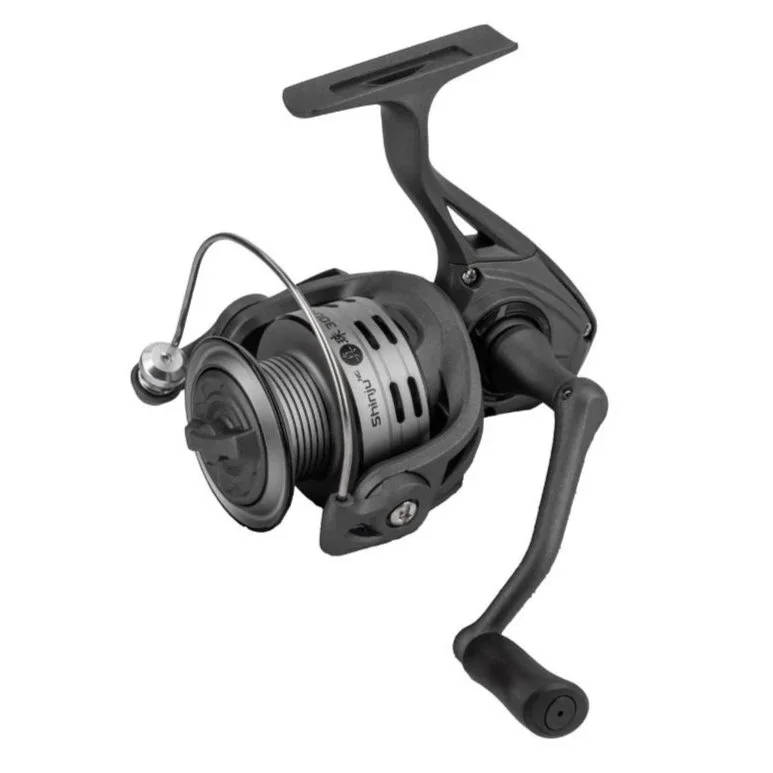
Mikado Shinju from £19.49
We stock the Mikado M-Craft braid in four strengths, from 0.03mm right up to 0.08mm, so you can match the line to the rod and the venue instead of making do with whatever happens to be on the spool. For perch on light gear, the lighter end of that range casts miles and lets a small lure fall naturally through the water. Perch have no teeth worth worrying about, so you can skip the wire trace that pike demand and tie straight to your lure. (unless there are pike in the area).
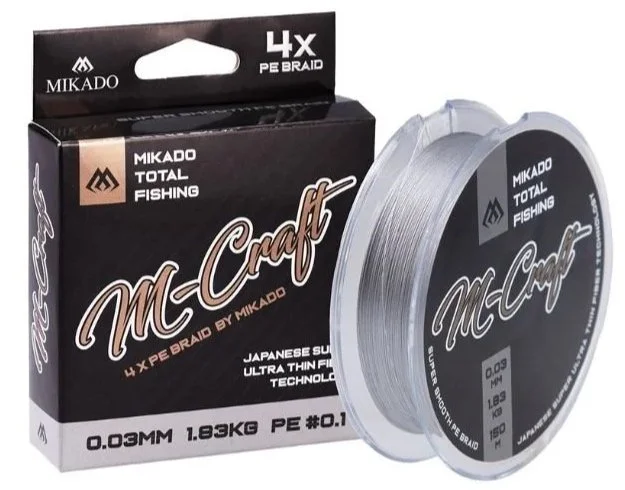
Mikado M-Craft Braid
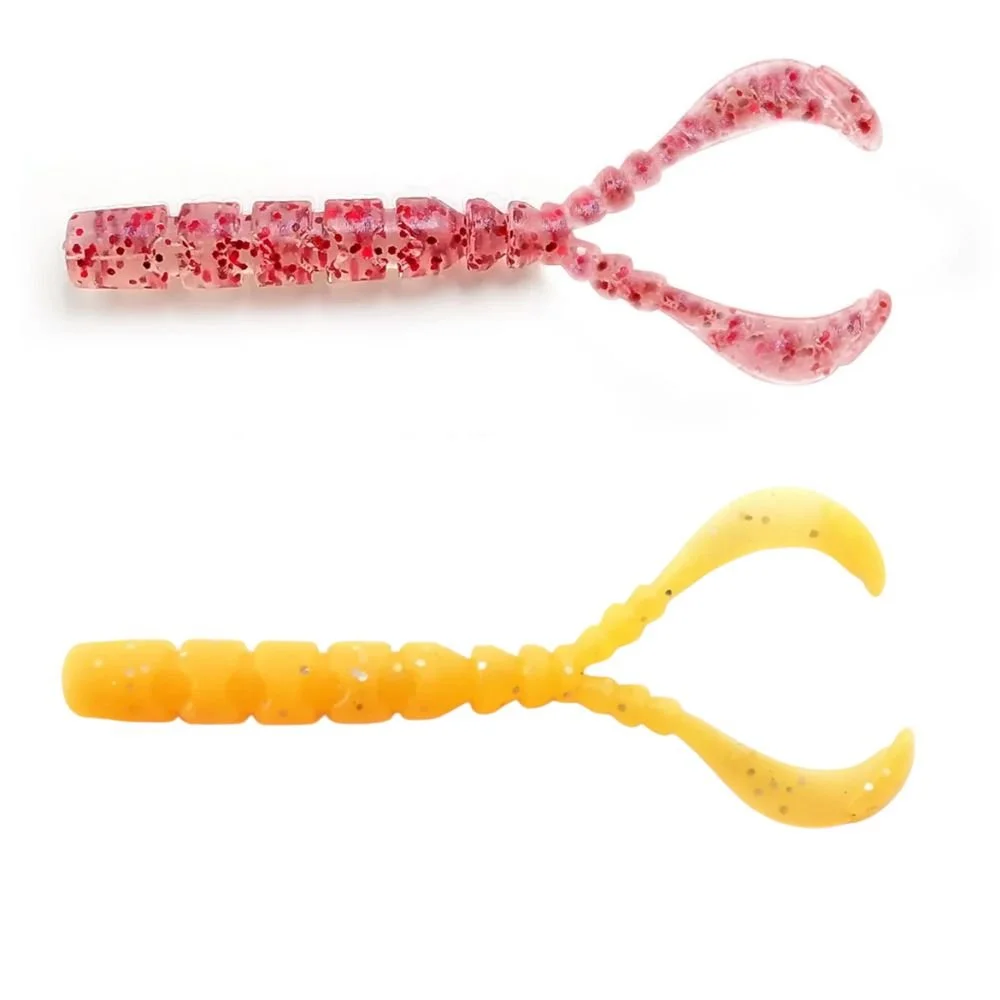
For bait, the tiny Mustad AJI Worm Bachi-Bachi and Chiki-Chiki soft plastics are built with trout and perch in mind, and perch cannot leave them alone when they're threaded on a 1g Sensual Micro jig head. When you want to cover a stretch of bank faster than a jig head allows, the Mikado Stream Series size 1 spinner gets takes on the drop, since perch react to the flash before they've had time to think about it.
A Simple Approach That Works
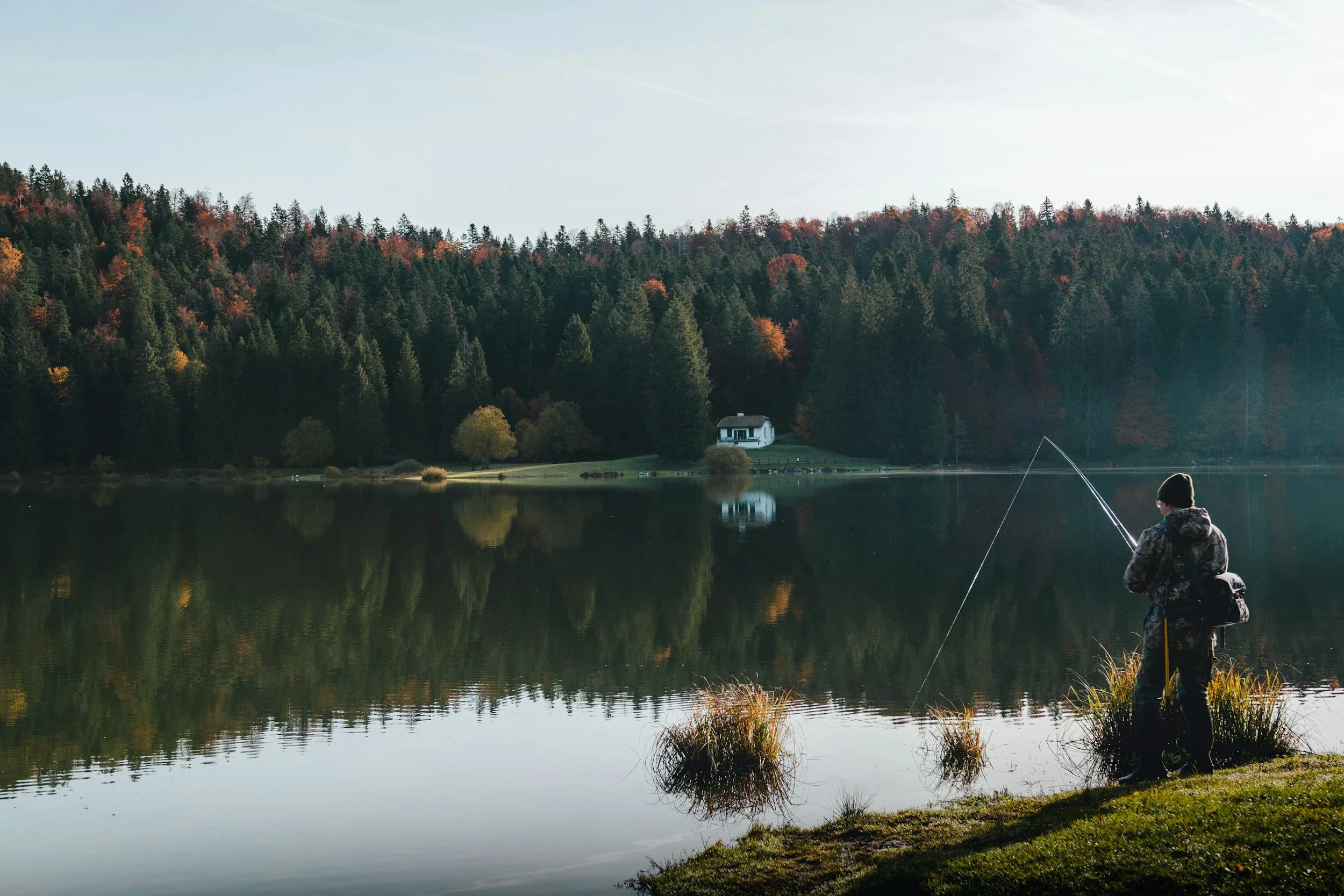
Keep your retrieve varied. Perch respond to a change of pace as much as anything, so work a lure down steadily, then pause it, then twitch it, and watch your line for the slightest tap rather than waiting to feel a thump. Cast past the feature you're targeting and work the lure back through it rather than dropping straight on top, since perch often sit just off the structure rather than directly in it. If you're missing bites, don't strike harder. Perch have soft mouths, and a hard hookset can pull the hook straight back out. A firm, confident lift is usually all it takes.
This is forgiving fishing in the best sense: light tackle, honest feedback through the rod, and fish that reward you for paying attention rather than for owning the most expensive gear in the swim. If you're new to lure fishing, an autumn perch session is one of the best ways in.
Have a browse of our LRF and lure fishing range to put a light kit together, or drop us a message if you want a hand choosing your first setup. We're always happy to talk tackle.