

Why the Fish Have Gone Quiet - Understanding Spawning Season in the UK
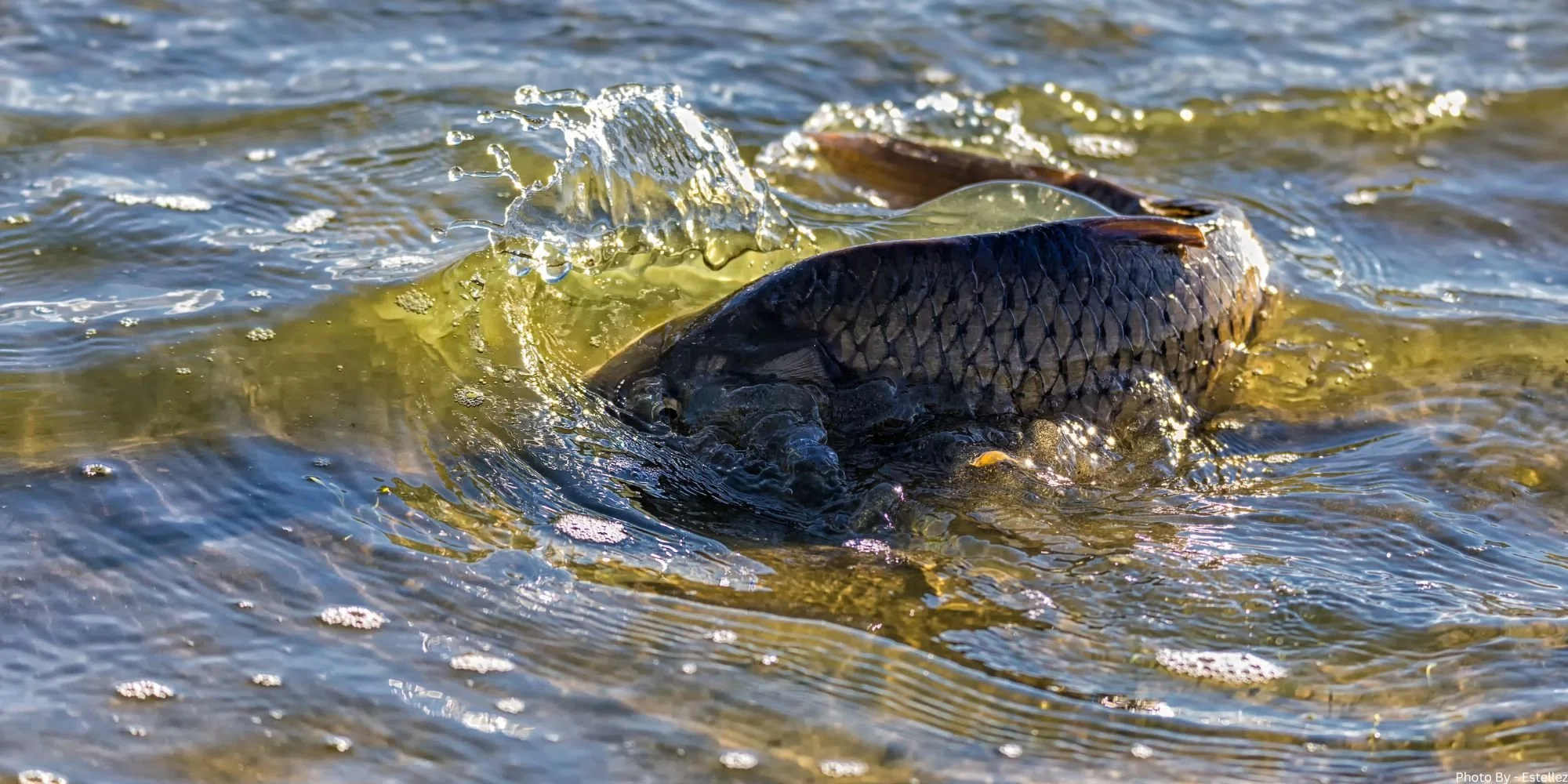
If you've been down the lake recently, found the margins alive with crashing fish and the surface fizzing in the shallows, and couldn't buy a bite - you're not doing anything wrong. The fish are spawning.
Late May into June is spawning season for most UK coarse fish, one of the most dramatic and important periods in the angling calendar. Understanding what's happening beneath the surface explains the blank sessions. It also tells you exactly when the fishing is about to get very good indeed.
What Is Happening Right Now
Across lakes, rivers, and canals all over the UK, coarse fish are doing what millions of years of evolution have wired them to do: reproducing. Carp, tench, bream, roach, and most other coarse species go through their spawning cycle in spring and early summer, and water temperature drives the timing above all else.
As the water warms through April and May, fish shift their focus from feeding to finding a mate. Most species move into spawning behaviour once temperatures climb above 14-16°C. Carp need water temperatures of 18-20°C before they commit - which in southern England means late May to June, depending on the year. Tench often spawn at slightly lower temperatures and can be ahead of the carp. Roach and perch go earlier still, sometimes as far back as April in a warm spring.
On the surface, you see fish rolling in the margins, crashing through lily pads and reed stems, packing tight in very shallow water. That's the visible part of the process. The males - often smaller, carrying tiny white tubercles on their heads and flanks - chase the females hard and persistently. The female releases her eggs, the males fertilise them immediately. It's fast, chaotic, and for the fish it crowds out everything else.
Why It Happens: The Biology
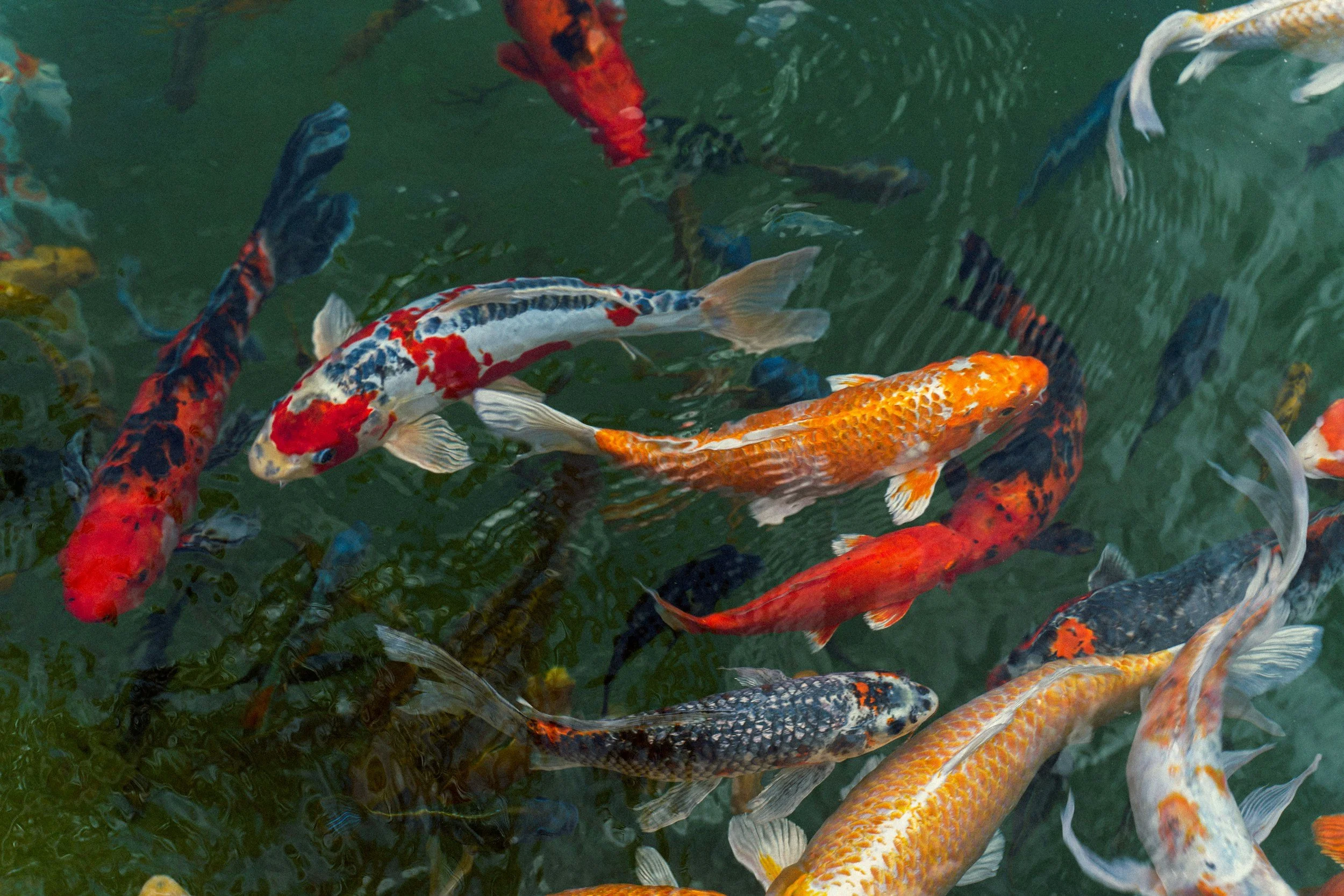
Two things trigger spawning: photoperiod and water temperature working together. As the days lengthen into spring, fish receive hormonal signals to prepare. Water temperature then acts as the release valve.
A cold late spring can push the spawn back by several weeks. The same lake that fished well in late May one year can be completely dead the following May after a prolonged cold snap. This is why spawning activity can look so different from season to season, even on waters you know well.
Fish pick the shallow margins to spawn for good reason. Warm, weedy, shallow water does several things at once. The warmth speeds up egg development. The vegetation gives the eggs something to attach to - carp eggs are sticky and need a substrate to bond to. The dense cover gives newly hatched fry some protection from predators in those first days of life. Thrashing about in two feet of water next to the reeds looks chaotic from the bank. The fish know what they're doing.
The Benefits: Why Spawning Matters
Spend enough time on the bank and you start to see a fishery as something more than a place to catch fish. The spawn is a good reminder of that. For all the frustration it causes anglers, it is the single most important period in a water's annual cycle - the moment the whole system resets and builds toward the next generation.
A large female carp can carry 100,000 to over 1,000,000 eggs, though the vast majority won't survive to adulthood. Predation, disease, oxygen drops, and competition take most of them in the first few weeks. Any fry that come through that first test shelter in the weediest margins, feeding on microscopic organisms, growing steadily into the fingerlings and juvenile fish that will replenish the stock in the seasons ahead. It's a process that's been running for millions of years. The lake knows what it's doing.
Waters that rely only on restocking sit on shaky ground. A fishery that produces its own fry is a healthier, more resilient place - better for the fish and better for the people who fish it. Natural recruitment keeps a water balanced in ways that bagging lorries simply can't replicate.
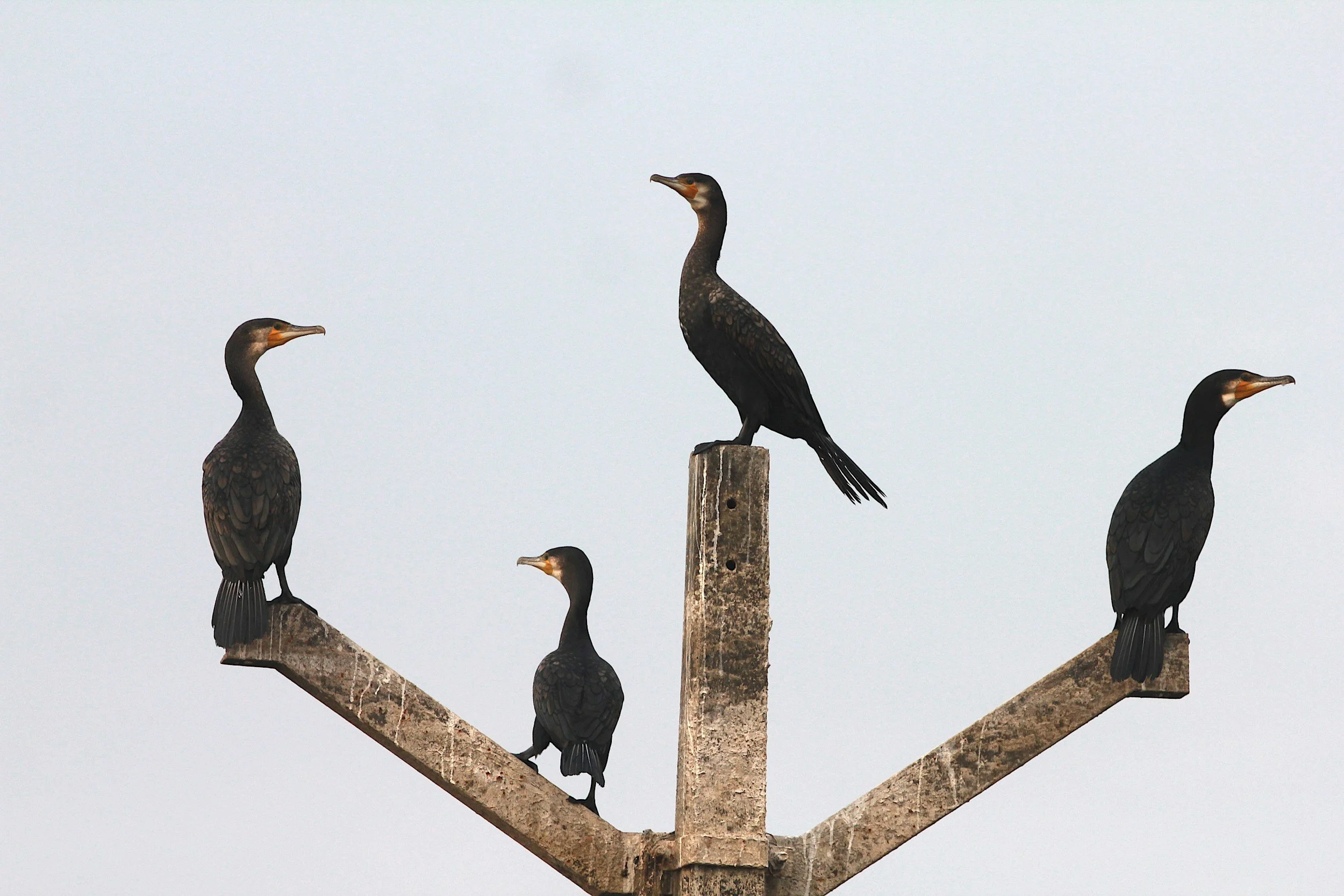
Which brings us to something worth saying out loud, because it comes up every spring: yes, the fry draw in predators. Perch stack up wherever small fish concentrate. Herons work the margins. Kingfishers become more active. And yes, cormorants and otters show up too - birds and mammals that plenty of anglers have strong feelings about.
But predators are part of the system, not a flaw in it. Without them, fry survival rates would climb, juvenile fish would overcrowd the water, and food competition would limit growth across the board. The fish wouldn't reach their potential. Weak and unhealthy fish would die without being eaten, decomposing in the water and degrading the conditions for everything else. A fishery without natural predation is not a healthier one - it just looks that way on the surface. The cormorant taking a small roach from the margins is doing something the ecosystem needs, even when it doesn't feel that way on a grey February morning.
The post-spawn period, once all of this settles, sees the whole water shift into a more productive phase. That has knock-on benefits for anglers targeting multiple species through the summer - and it all starts with that chaos in the margins that had you walking back to the car without unpacking last week.
Why the Fish Have Stopped Biting

During the spawn, feeding stops being a priority. Every biological impulse is directed toward reproduction, and the instinct to eat gets pushed aside.
The hormonal changes that drive spawning reduce appetite directly. The same signals telling the fish to find a mate and release eggs compete with the signals that prompt feeding - and feeding loses every time. This isn't a subtle effect. Fish in full spawning mode can be surrounded by bait and they will totally ignore it.
Spawning is also physically punishing. A large tench or bream hen can carry spawn accounting for 20-30% of her body weight. The fish move awkwardly and have no interest in chasing food. Their energy is going elsewhere.
Location matters too. Spawning fish pack into the shallows, away from the deeper swims and patrol routes where they'd pick up a hookbait. Cast to them directly and they'll swim past your rig without a glance.
Fish in the middle of spawning are under real physical stress. Leave them alone. Casting into a group of spawning fish - or catching and handling one that is releasing eggs or milt - causes real harm. If you can see them going at it in the margins, come back in a week, the fish will still be there, and they will be happier for the privacy.
Reading the Signs: How to Know When the Spawn Is Over

A few things tell you the spawn is winding down.
The shallows go quiet. When you arrive and there's no crashing, no tight groups in the reeds, and the margins look calm, the main event is likely over.
Fish reappear in open water. You'll see carp and bream rolling in their usual patrol routes and feeding areas rather than packing into the margins.
Normal feeding signs return. Bubbling on the lakebed, fish rising to take naturals, the usual surface activity - these come back once spawning finishes.
Females look slimmer in the belly. A fish noticeably slim in the flanks for this time of year has likely spawned out. That's the process completing, not a cause for concern.
The spawn typically lasts one to two weeks for any given species, though cold snaps can interrupt and extend it. Different species stagger across the calendar too - a lake might see roach spawn in late April, tench in mid-May, and carp running through into mid-June. You can have one species fishing well while another is still in the thick of it.
What Happens When They Start Feeding Again
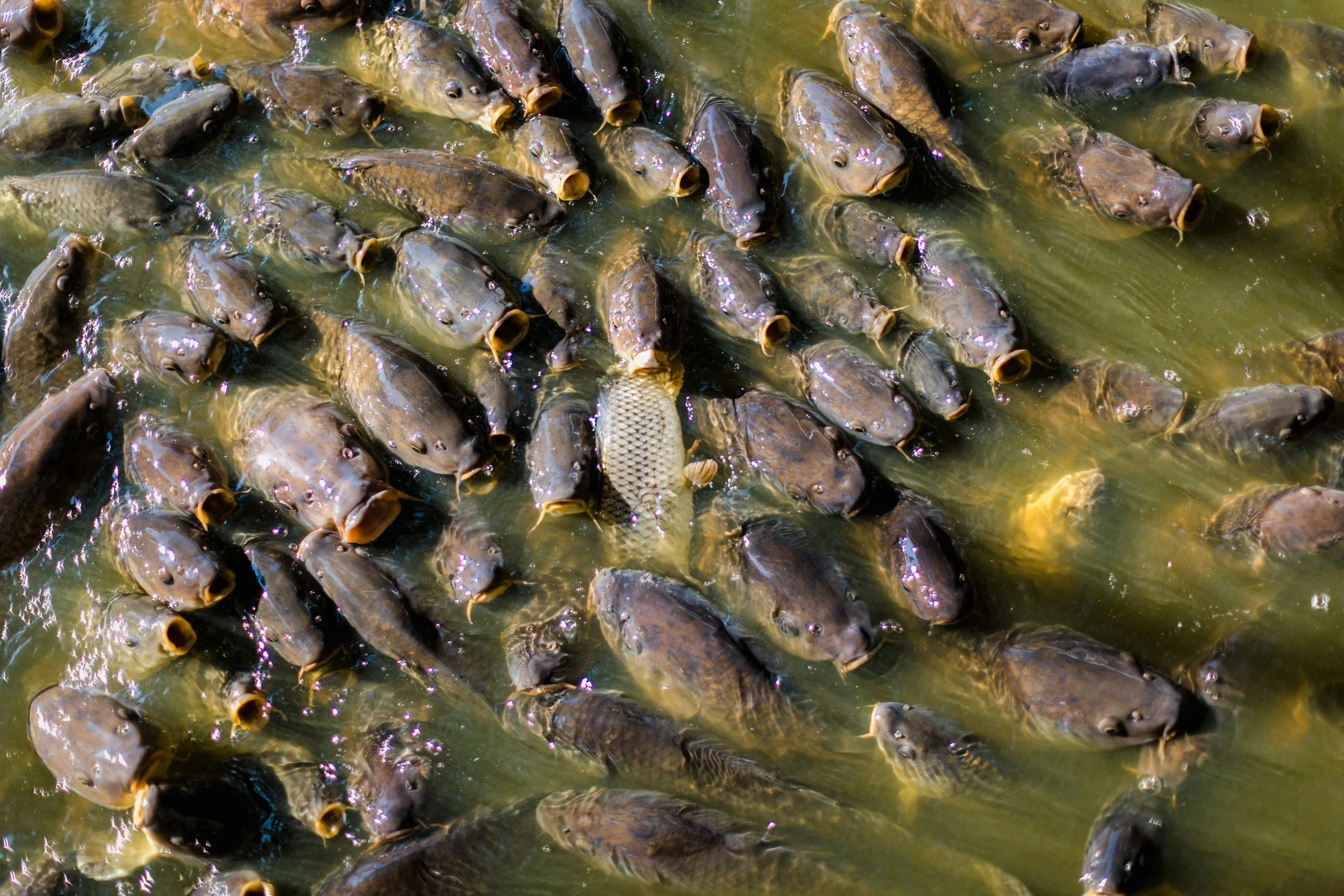
After spawning, coarse fish are running a serious energy deficit. They've burned through fat reserves and in many cases have been off the feed for weeks. The post-spawn feeding period - which kicks in as soon as fish move back into open water - is one of the most reliable spells of the entire season.
Carp come back hungry and less wary than at almost any other point in the year. They feed hard and pick up baits they'd have ignored in spring. Margins that were untouchable during the spawn produce bites at close range as fish work the shallows for food. Surface fishing opens up properly - fish feed on naturals at the top and will take a floating dog biscuit or a piece of crust without much persuasion.
Tench and bream recover fast and feed through June with real confidence, which is why many UK anglers consider the post-spawn period among the best fishing of the year. Tench in particular feed well in the early mornings through a good June, and long warm days with hungry fish make for some memorable sessions before the summer heat sets in.
Predator anglers have their own opportunity. Perch that have been around fry all spring come into the post-spawn in superb condition. Drop-shotting or working small lures around features in late June can produce some of the best perch fishing of the season.
What To Do This Weekend
If you're heading out in the next week or two and the carp lake is mid-spawn, you have options. Roach and perch are often done by now, so targeting those on a river (if your reading this after 16th June) or canal can produce results while the stillwater species are still going at it. A local stretch of canal or a river roach swim is worth considering.
If you'd rather stay put, use the time to watch the water. Note where the fish are spawning - those shallow marginal areas, reed beds, and lily pad lines are where they'll feed first once the spawn is over. You're not wasting a session. You're doing your homework.
Get yourself set up before the feeding spell hits. Browse our summer coarse and carp tackle at Voyagers Hook - or drop us a message if you want a recommendation for what to have ready.
