

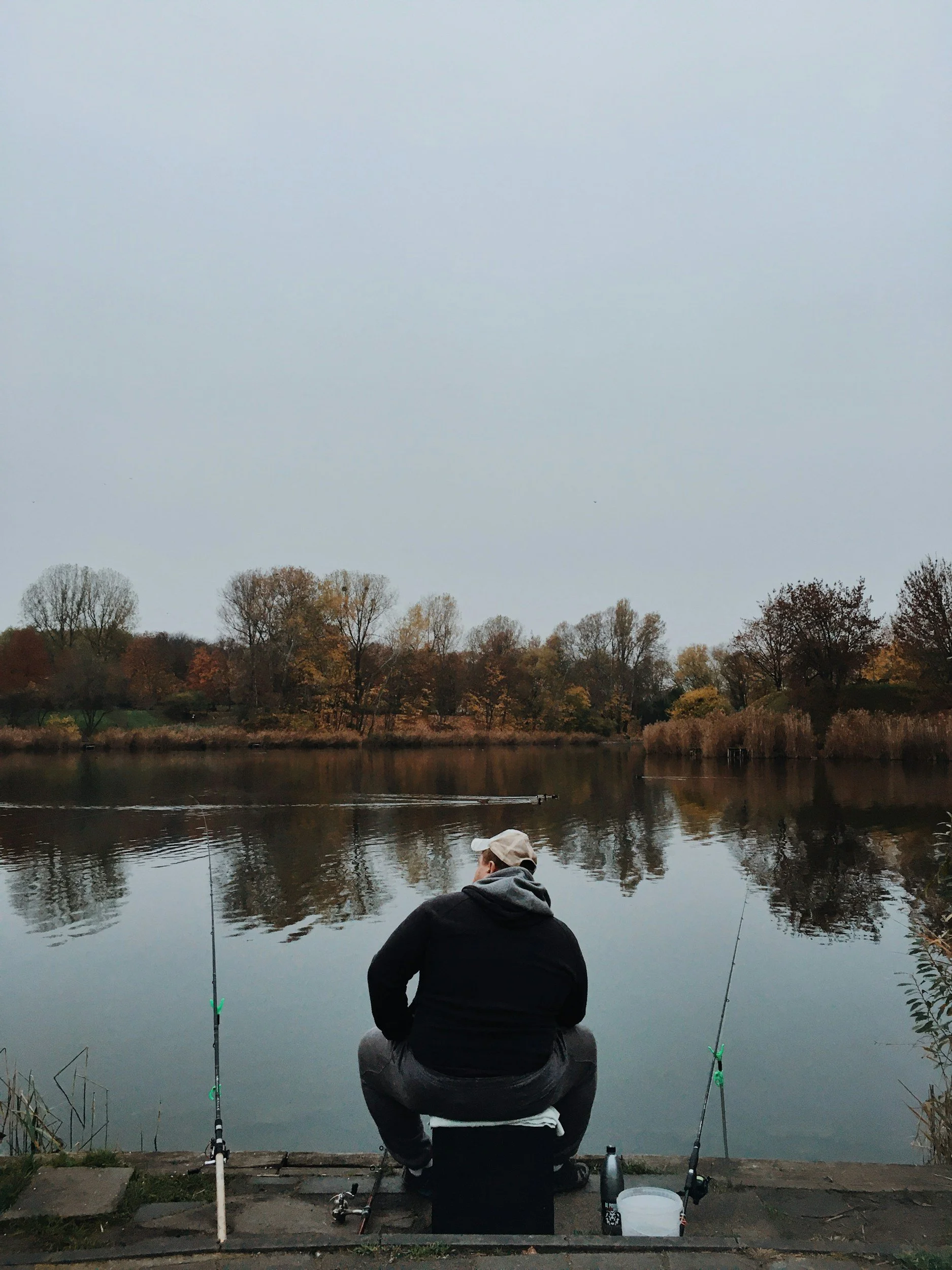
If someone handed me one rig and told me I had to catch fish on an unfamiliar lake with it, I would pick the method feeder every single time. It is not glamorous and it will never be the thing people write poems about, but it is honest, it is forgiving, and it catches when nothing else will.
It is also one of the few tactics where a complete beginner and a match angler are fishing more or less the same rig. The difference between them is not gear, it is rhythm and attention. That is good news, because rhythm and attention are free.
What the method feeder actually does
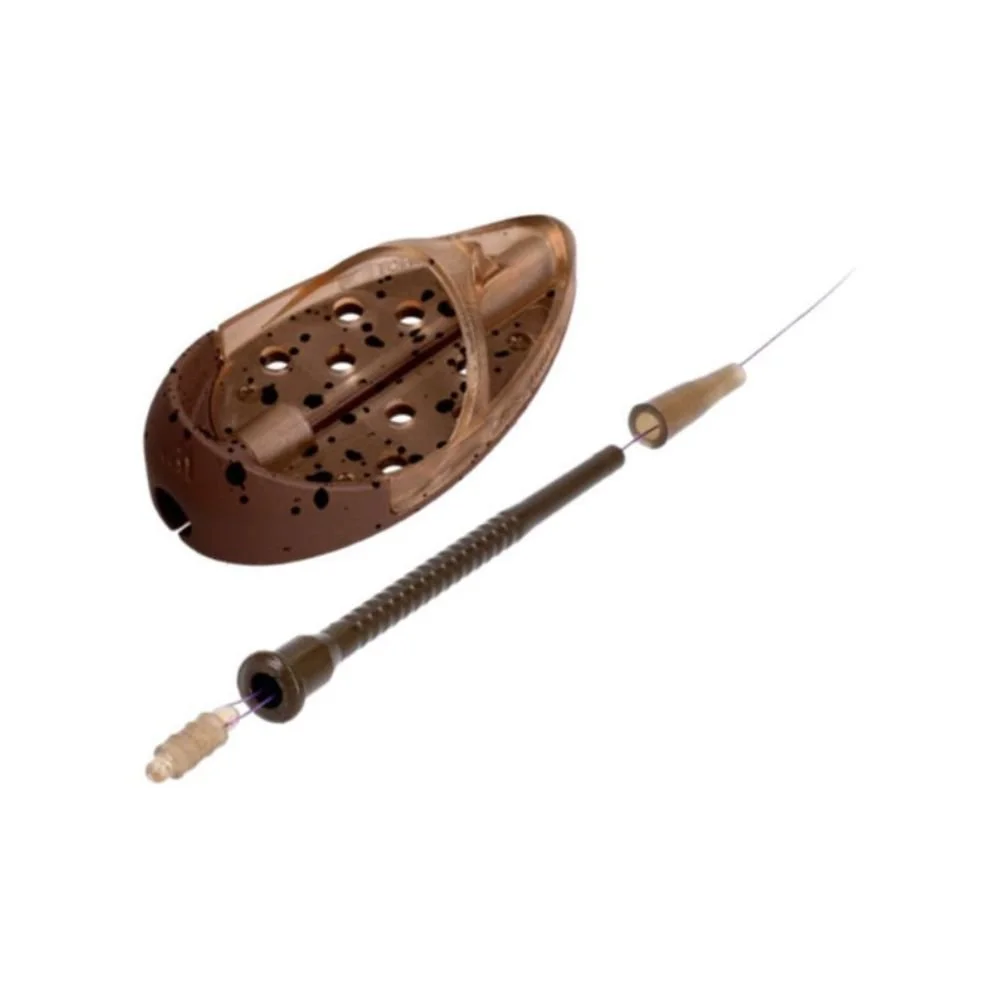
Strip away the jargon and a method feeder is a weighted frame that you mould groundbait or pellets around, with a short hook length attached and your hook bait buried in that ball of feed. It lands on the bottom, the feed breaks down over a few minutes, and your hookbait ends up sitting in the middle of a small pile of food.
That is the whole trick. There is no separating your bait from your feed, no wondering whether the fish found the right spot. The hookbait is the feed. When a carp comes in and starts hoovering, it takes your hookbait almost by accident, feels the weight of the feeder and bolts. The rod goes round properly. You do not have to read subtle bites, which is exactly why it suits people who are still learning.
Setting it up without overcomplicating it
Keep the rig simple. An inline method feeder in the 25g to 40g range covers most commercial lakes. Anything heavier and you are casting further than you probably need to; anything lighter and it will not pull the hook home reliably.
The hooklength is where most beginners go wrong. Short is the whole point. Four inches is plenty, and on hard-fished waters I will drop to three. A long hooklength lets the fish pick the bait up and move off before it feels any resistance, and you lose the self-hooking effect entirely. Use a quick-change bead so you can swap lengths in seconds rather than retying in the drizzle.
For the rod, something around 10ft to 11ft rated to roughly 50g is the sweet spot. Enough backbone to punch a loaded feeder out, soft enough in the tip that a decent fish on light line does not tear the hook out at the net. Our feeder rods cover that range, and the Mikado Noctis X Lite Method/Bomb rod is a solid, sensibly priced starting point if you are buying your first one.
Bait and mix: keep it boring
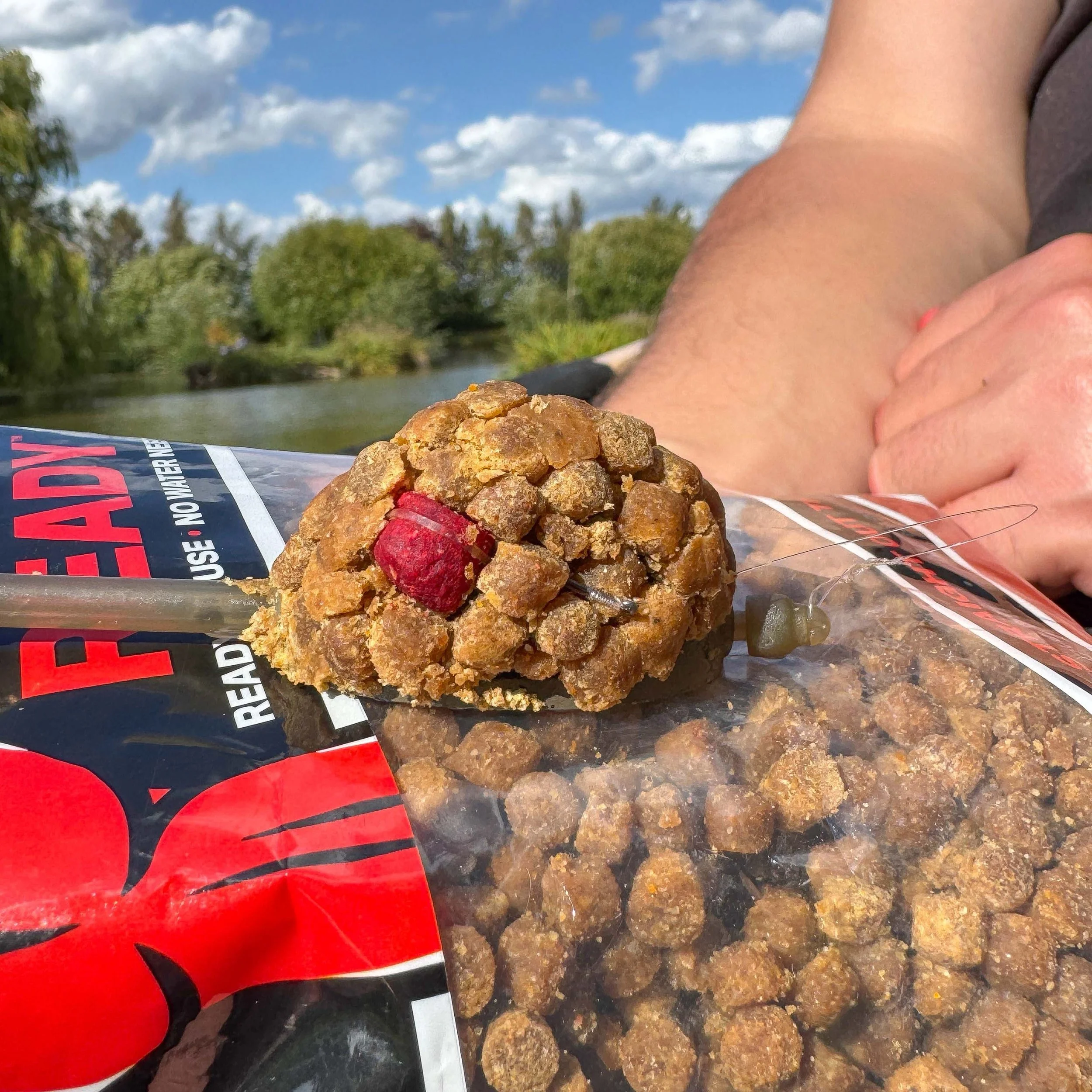
Micro pellets dampened until they just cling together will do the job on nine out of ten lakes in this country. Too wet and the mix sets like concrete and never breaks down. Too dry and half of it falls off mid-cast. You want it to hold shape when squeezed and crumble when you rub it between finger and thumb.
For hookbaits, a banded 6mm or 8mm pellet, a piece of corn or a small wafter will all catch. If bites dry up, change the hookbait before you change anything else. Nine times out of ten that is the fix.
One thing worth saying plainly: do not pile in bait. A method feeder introduces a small, controlled amount of feed with every cast, and the frequency of casting is what builds the swim. Cast every five to ten minutes even when nothing is happening. That rhythm is the tactic. Sitting on a cast for forty minutes hoping is not method feeder fishing, it is just waiting.
Where to put it

On most lakes, the far bank shelf, the edge of an island, by the lilies, or a marginal shelf on your own bank will out-fish open water. Carp patrol features. Pick a spot you can hit consistently rather than the spot you think holds the most fish, because accuracy beats ambition here. Clip up on the reel, pick a marker on the far bank, and put every cast in the same square metre.
In this kind of July heat, the fish will often sit shallower and closer in than you expect, especially early and late. Do not be afraid to fish a rod length out if that is where the bubbles are.
Worth getting right
Method feeder fishing rewards the angler who pays attention to small things: hooklength length, mix consistency, casting accuracy, and the discipline to keep the rhythm going. None of those cost money. All of them will make more difference than a fancier rod.
If you are putting a feeder setup together, our method feeder range has everything you need to get going. And if you are not sure what suits the waters you fish, drop us a message. We would rather point you at the right thing than sell you the expensive thing.
Tight lines.
