

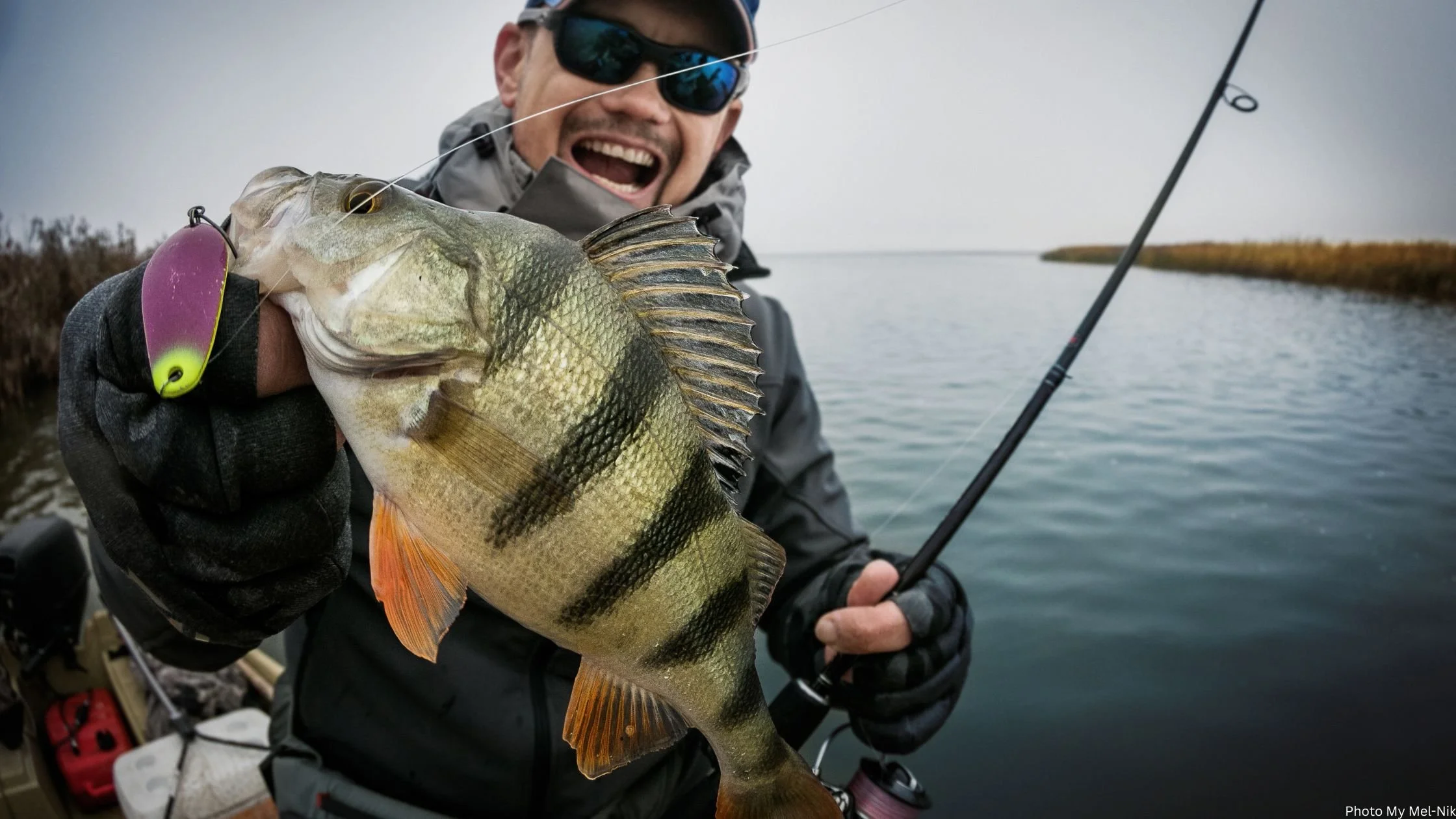
There's something about a perch that gets under your skin. Maybe it's the bold stripes, the bristling dorsal fin, or the fact that they fight like something twice their size. Whatever it is, perch have earned a loyal following among UK anglers - and once you've had a proper autumn session picking off two-pounders from a river bend, you'll understand why.
Whether you're targeting them with lures, float fishing a worm, or trying to winkle out a personal best from a gravel pit, this guide will give you a solid grounding in how to catch perch in UK waters.
Where to Find Perch
Perch are ambush predators. They're not going to sit in open, featureless water waiting for something to wander past - they want cover they can hide behind and attack from.
On rivers, look for fallen trees overhanging the bank, bridge supports, moored boats, and anywhere the depth changes sharply. A stretch of open gravel that suddenly drops into a deeper channel is worth investigating, especially in summer when perch push shallow to feed.
On stillwaters, focus on the margins early and late in the day. Lily pad edges, pontoons, reed lines, and any structure near the bank are all worth working through. Big perch in lakes often patrol a circuit - if you find a likely spot and nothing materialises, try again in an hour. You might hit them mid-patrol the second time around.
Tackle and Rigs
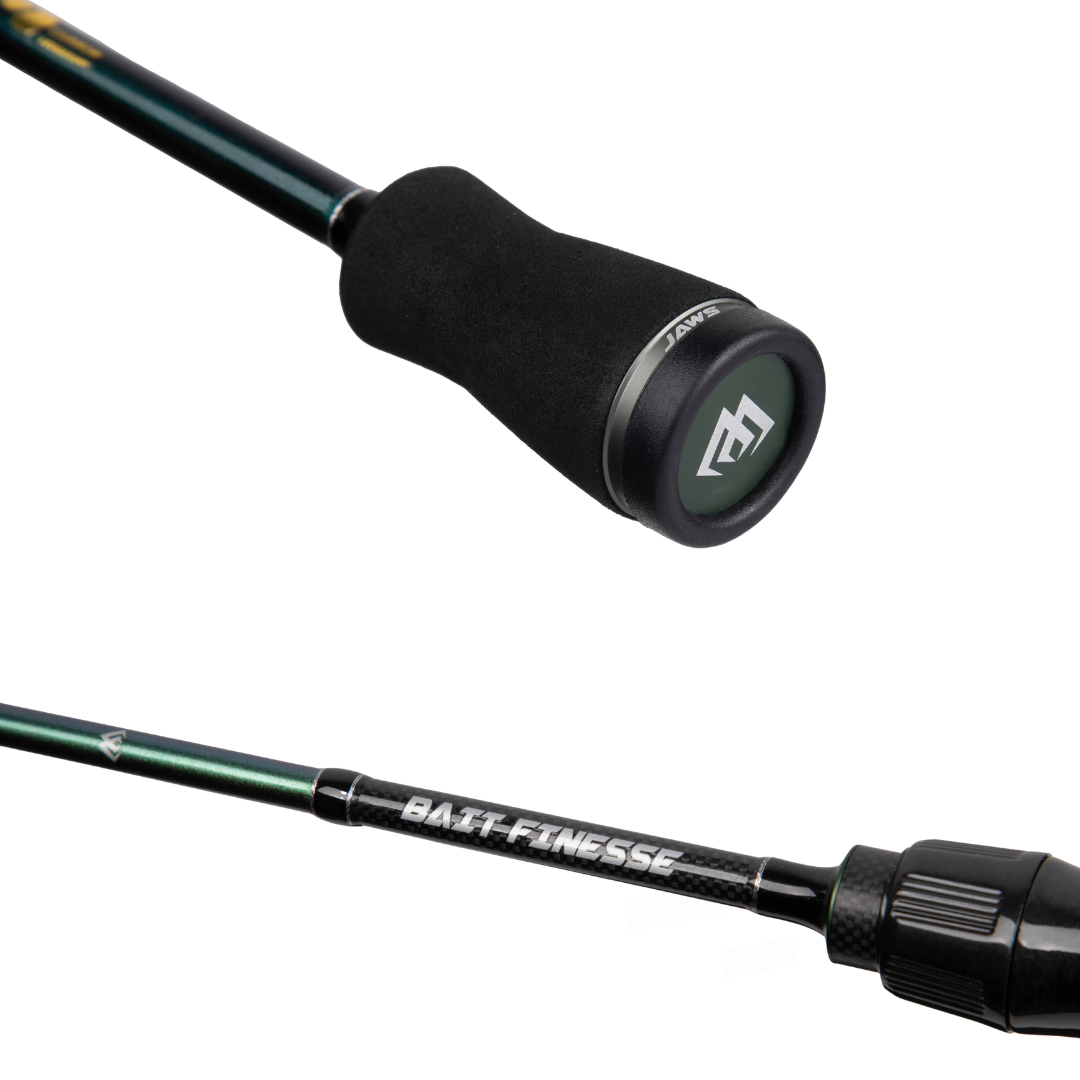
You don't need specialist kit to catch perch. A light spinning rod or a float rod in the 10-12ft range will cover most situations. For lure fishing, a 1-10g or 2-15g rated spinning rod gives you the sensitivity to feel those tentative takes and the backbone to set the hook cleanly.
For float fishing with worm, rig up a small waggler, 4-5lb mainline, and a size 10 or 12 hook. Fish the bait just off the bottom - perch rarely pick up a static bait from the deck if they can intercept it in the water column first.
For lure fishing, soft plastics in the 2-3 inch range consistently outperform larger options unless you're deliberately targeting specimen fish. A Ned rig or drop shot setup is particularly effective in clear water, where natural presentation matters more than flash or vibration.
Baits That Actually Work

Worms are probably the single most effective live perch bait in UK waters. Lobworms on a free-roaming float rig, or a half lobworm on a drop shot, will catch perch almost anywhere. If you can get some chopped worm groundbait into the swim first, even better.
Small livebaits are devastating if your venue allows them - a 2-3 inch roach or gudgeon fished under a pike float is a classic big-perch method that still produces.
For lures, natural colours - olive, brown, translucent white - tend to work well in clear conditions. In coloured water or low light, go brighter. A perch-pattern soft plastic is hard to beat but honestly, they're not that fussy once they're in a feeding mood.
Timing Your Sessions
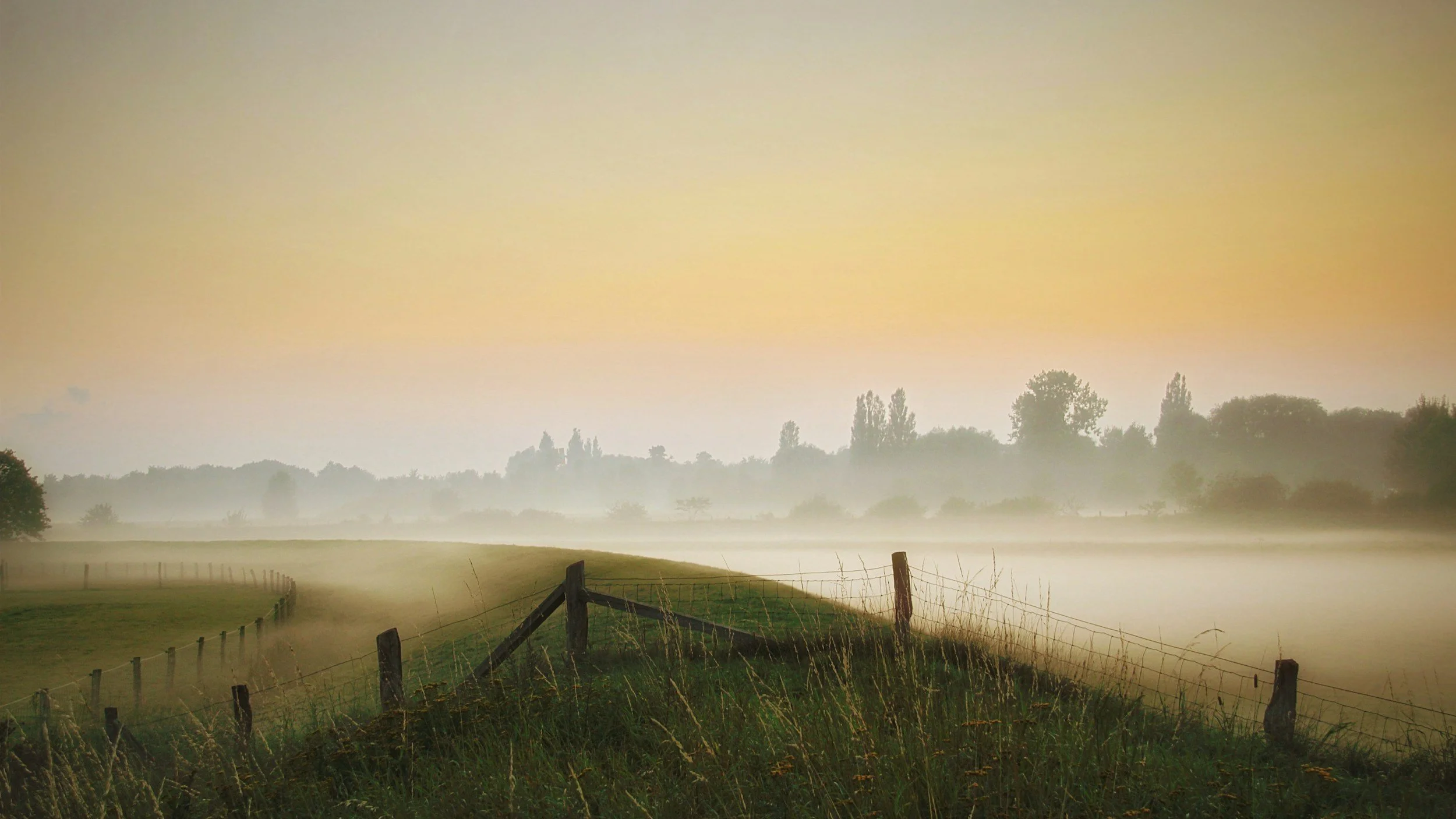
Perch feed throughout the day but the first hour after dawn and the last couple of hours before dark are reliably the most productive, especially during the warmer months. On grey, overcast days they can be active all day - that flat light seems to switch them on.
In summer, early morning and evening sessions on rivers in particular can be exceptional. The fish move into shallower, faster water to feed and you can often spot them bow-waving or attacking small fry near the surface.
A Few Things Worth Having in the Bag
A decent selection of soft plastics in natural and brighter colours covers most situations. We stock a range of lures suited to perch fishing in our predator and lure section at voyagershook.com, including drop shot and Ned rig setups that work well for UK river and lake perch.
If you're worm fishing and going light, a small rod rest or bank stick helps when you want to set the float rod down while keeping an eye on the tip. Keep your tackle box lean - perch fishing rewards mobility. Move every 20-30 minutes if bites dry up rather than sitting it out in a dead swim.
Get Out There
Perch are one of those species that reward curiosity. Work the margins, look for structure, vary your presentation until something clicks - and don't overlook small, overlooked stretches of canal or urban river. Some of the biggest perch I've heard about have come from the least glamorous-looking spots.
If you want to talk tackle or get advice on what's worth having for a first perch session, drop us a message through the site- we're always happy to help.
