

The Bream Before the Heat: Why May is the Month to Target Slab
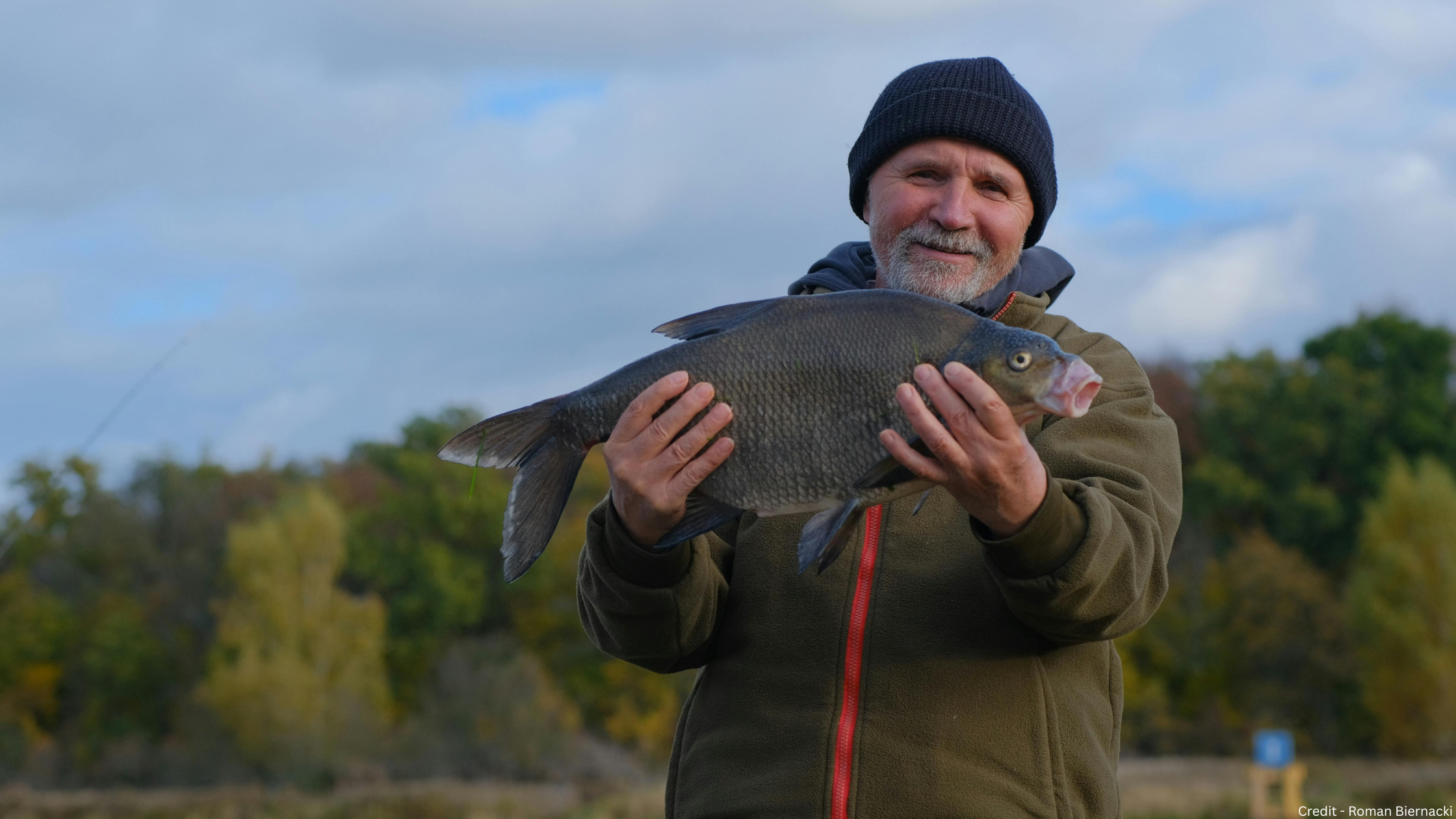
There's a window in the British fishing calendar that most anglers either don't know about or simply sleep through. It falls somewhere between the last cold snap of April and the full warmth of June, when the water temperature crosses a threshold and the bream - those great, bronze, often misunderstood slabs - move shallow, group up, and feed with an aggression that feels almost out of character for such a docile-looking fish.
That window is May. And if you're not targeting bream right now, you're missing one of the year's best kept secrets.
Why May Changes Everything
Bream are temperature-led fish. Through winter and early spring they sit deep, moving slowly, feeding lightly, almost reluctant. But as water temperatures push up through that 10–12°C mark - which typically happens across UK stillwaters and slow rivers in May - something switches. They form tight shoals. They move to shallower, warmer bays and margins. They begin their pre-spawn feeding binge, putting on weight and actively hunting food across the bottom.
For the angler, this means bream that are catchable, concentrated, and genuinely hungry. Not the bashful, nudging bream of a cold February morning. These are fish that will confidently pick up a bait and move with it.

Where to Look
In May, don't default to the deep water. Look instead at shallow bays on the south-facing side of a lake — these warm fastest in spring sunshine. Marginal shelves between three and six feet of water are prime territory. On rivers, slack water behind bends, wide pools, and areas where the current slows hold bream well as they begin to seek out spawning territory.
Bream are notorious for announcing themselves. Rolling fish at dawn are the giveaway — that characteristic flat roll, dorsal fin breaking the surface, then gone. Patches of fizzing bubbles, slightly discoloured water, and the smell of a freshly disturbed bottom are all signs of a feeding shoal. When you find them, you've found them. Bream rarely travel far once settled into a spot.
Bait: Keep It Simple, Keep It Smelly
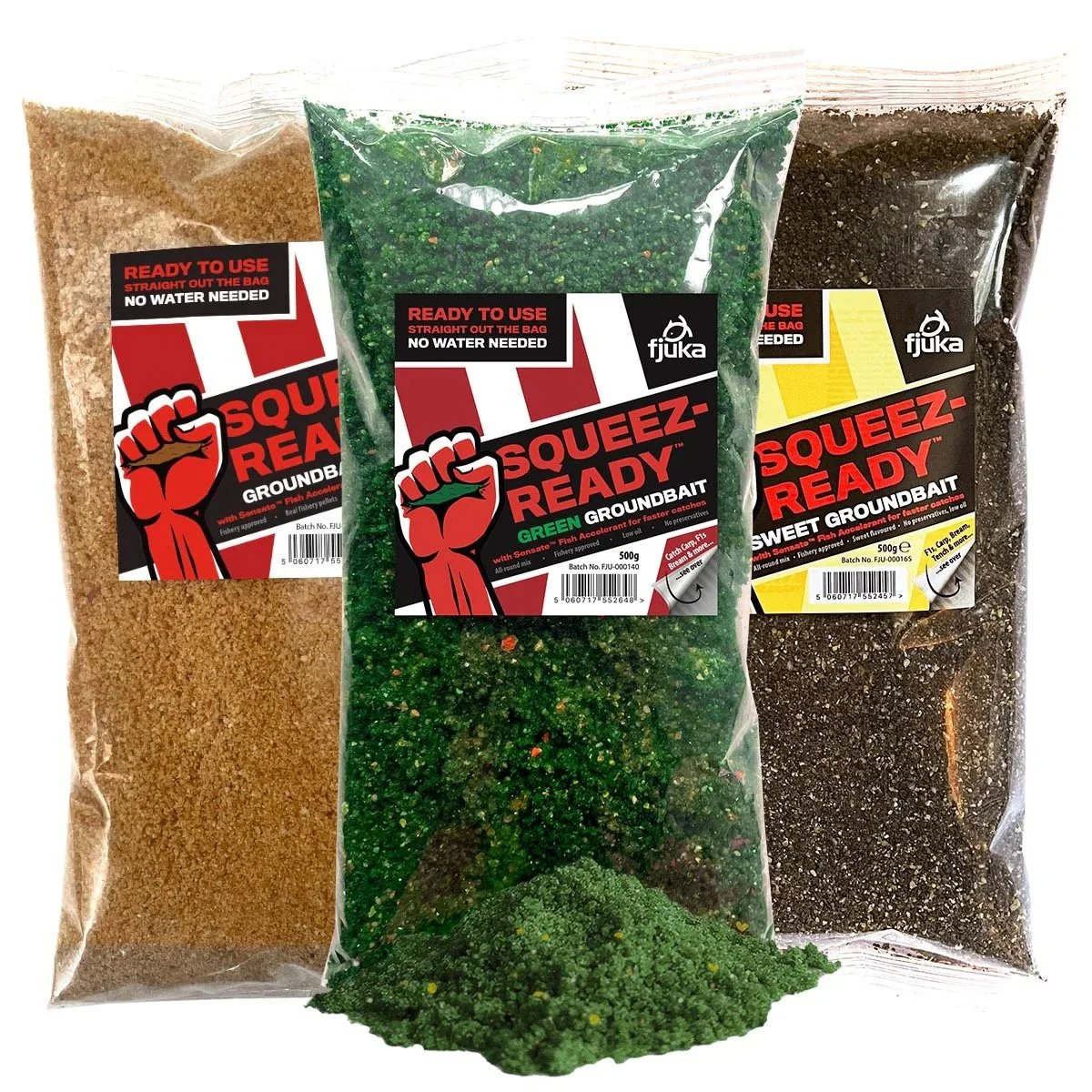
May bream respond brilliantly to groundbait. A bed of dark, cloud-producing groundbait dragged down to the bottom draws fish in and holds them. Mix it on the stiff side so it settles rather than dispersing mid-water or better yet, save some time and opt for a ready to use ground bait like the Fjuka ground bait range Small balls - fist-sized - introduced regularly through a session beat one heavy bombardment at the start.
For hook bait, worm and caster remains the classic combination and it still catches more bream than anything else. A double red maggot on a size 14 hook over a bed of loose-fed maggots and ground bait is rarely turned down. Bread punch fished over a groundbait carpet works brilliantly on commercials and well-stocked club waters. If you want to try something modern, Fjuka's Squeeze Ready pellets soak up liquid additives and present perfectly on the hair - a genuinely effective option for bigger bream on pressured venues.
Tackle and Rig
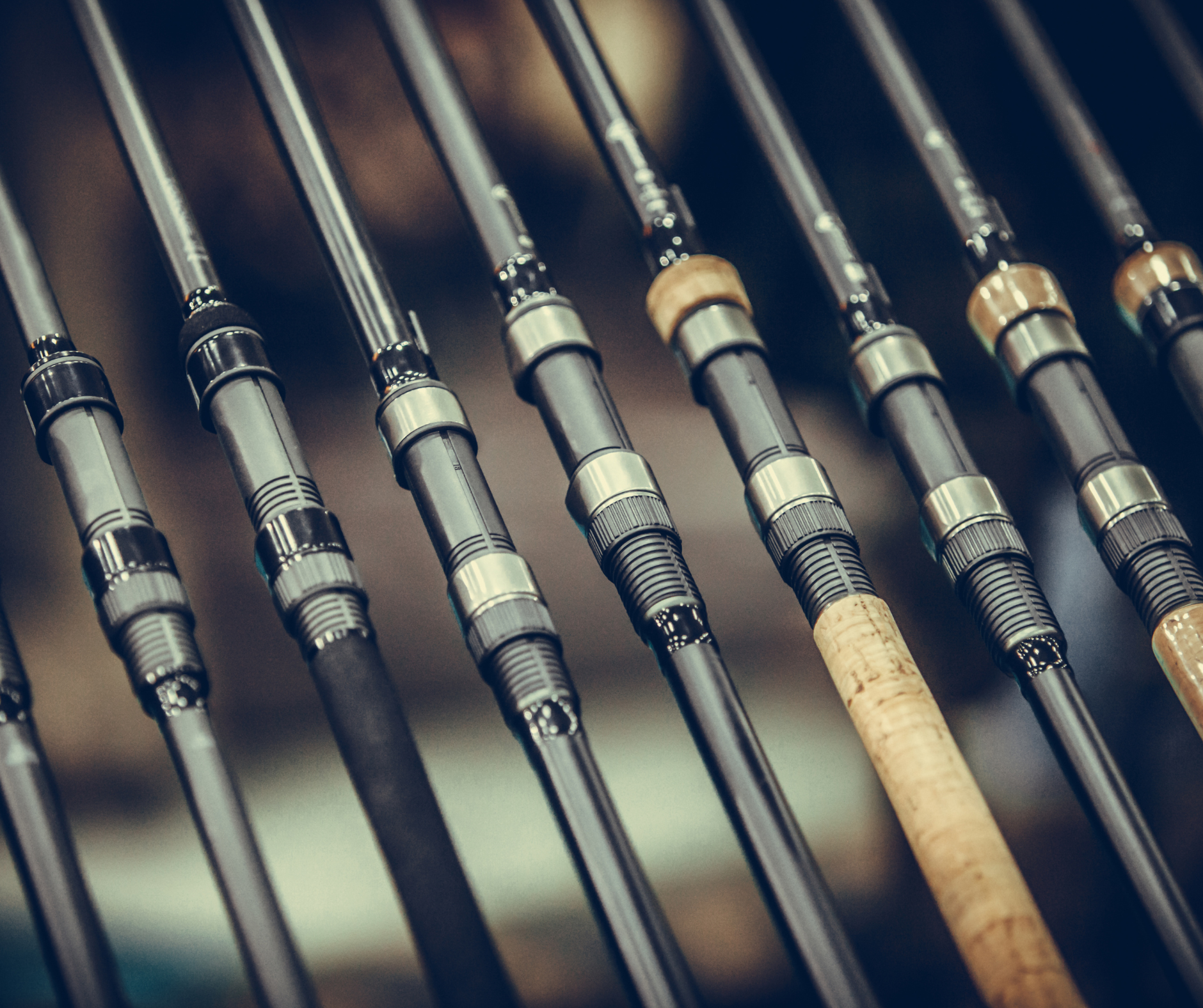
Bream fishing doesn't require heavy gear. A medium feeder rod or a 12–13ft float rod, a small to medium fixed spool reel loaded with 6lb monofilament, and a simple running leger or flat-bottomed feeder rig is all you need. The flat-bottomed method feeder is particularly effective in May - it sits stable on the bottom, releases bait slowly, and the fish hook themselves against the feeder weight.
Use a size 14–16 hook on a short hooklength of around 15cm. Bream mouths are soft, so you're not striking into them - you're letting them turn with the bait and feel the weight of the feeder. Patience is the skill here, not technique.
The Long Game
Bream fishing rewards the angler who sits still. Once you've baited a spot and the first fish comes, keep feeding - little and often - and the shoal will stay. An average May session on a good venue might produce eight to fifteen fish once the shoal locks in. That's a serious weight of fish and the kind of session that reminds you why you started fishing in the first place.
Early morning is prime time. Be on the bank by first light, bait introduced quietly, and wait. The best bream fishing of the day is usually done by ten o'clock.
Don't sleep on May bream. The window is short, the fish are magnificent, and the rest of the bank hasn't caught on yet.
Looking for the right feeder, groundbait, or hook bait for your bream sessions? Browse our coarse and feeder fishing range at voyagershook.com — fast UK delivery, quality gear, honest advice.
